Microsoft Power Platform is redefining how organizations innovate by enabling anyone regardless of technical expertise to build solutions, automate processes and unlock the true value of data.
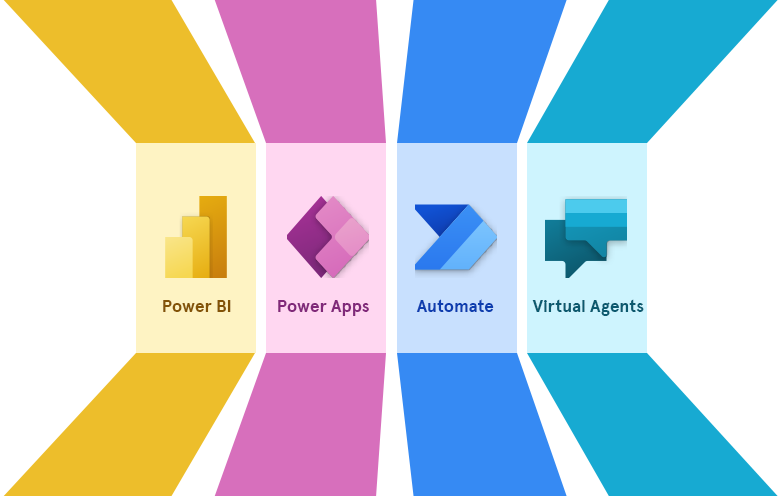


Microsoft Power Platform is redefining how organizations innovate by enabling anyone regardless of technical expertise to build solutions, automate processes and unlock the true value of data.

The unauthorized use of AI tools by employees is creating a threat surface that most security programs are not designed to see, let alone manage
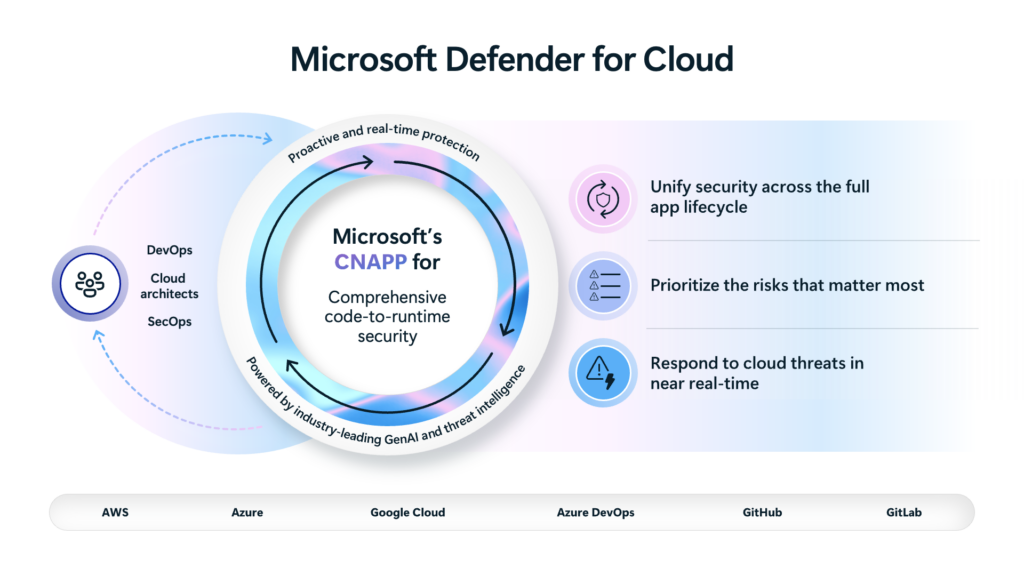
What cloud security posture management actually means, why traditional approaches are failing, and how to start thinking about it strategically.

A practical guide for security leaders and decision-makers navigating the complexities of modern data protection

Cloud sovereignty is becoming a critical foundation for modern digital transformation, ensuring that organizations maintain full control over their data, access, and compliance. As AI adoption accelerates and regulations tighten, companies are shifting toward secure, sovereign cloud architectures that balance innovation with governance. This new approach enables businesses to scale confidently while protecting their most …

As digital transformation accelerates, data security and regulatory compliance have become critical priorities for organizations. Industries such as finance, healthcare, government, and energy must protect sensitive data while continuing to innovate and scale. This is where sovereign cloud solutions come into play.
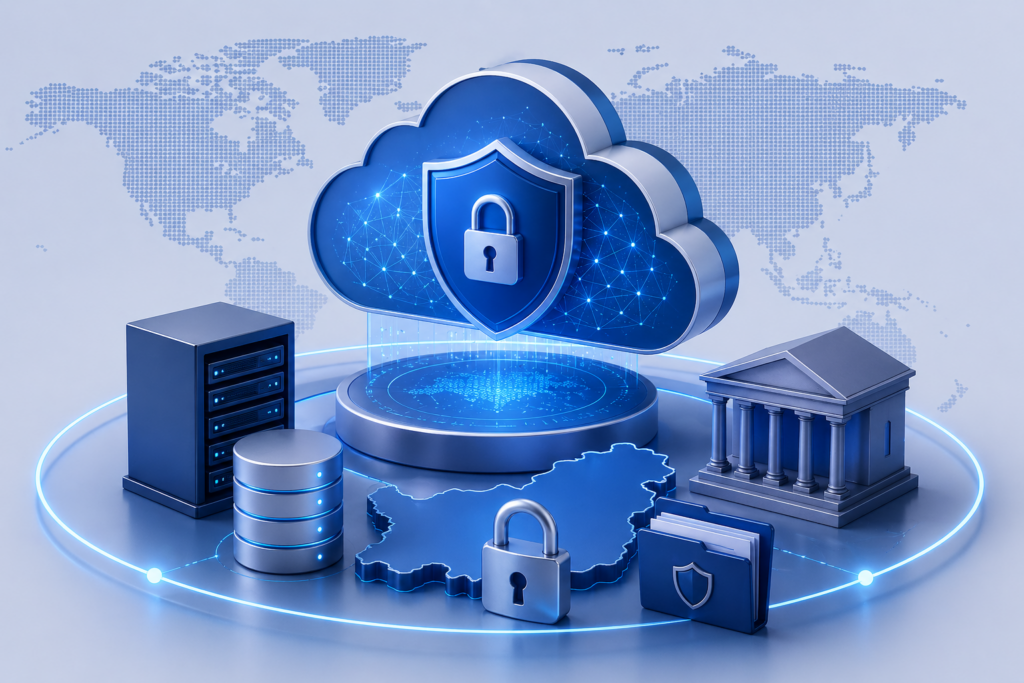
Sovereign cloud best practices require full control over data residency, access and encryption, supported by strong governance and continuous compliance monitoring. Automation, policy-as-code and portability strategies are critical to ensure long-term technological sovereignty.
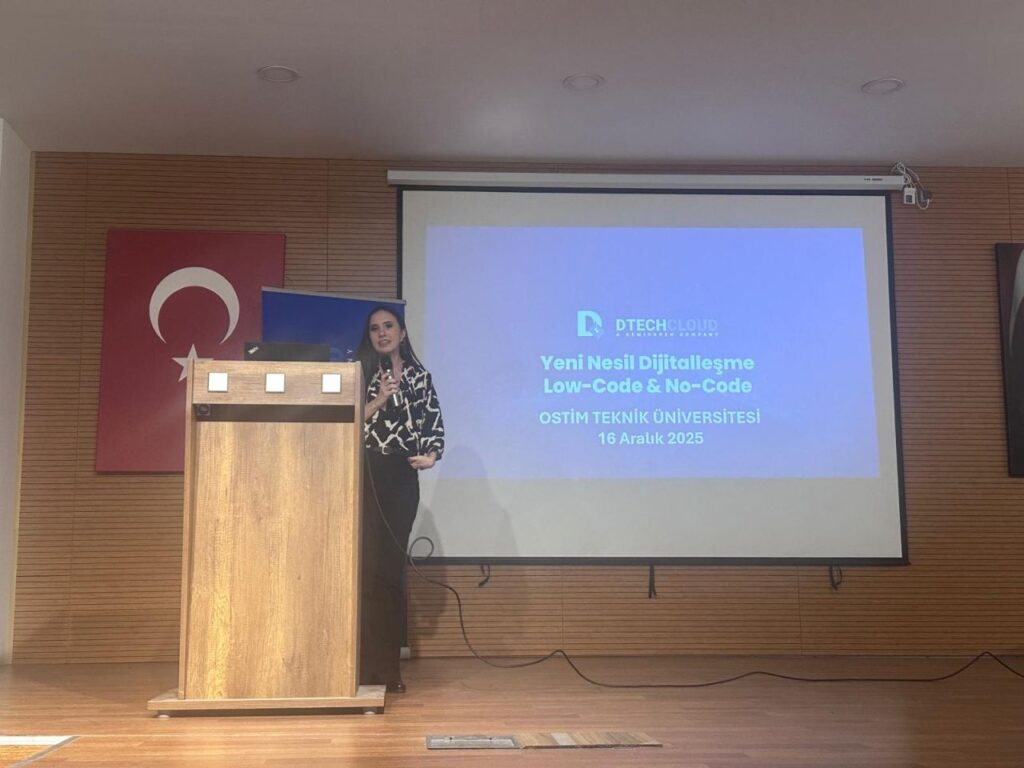
Microsoft Power Platform is redefining how organizations innovate by enabling anyone regardless of technical expertise to build solutions, automate processes and unlock the true value of data.

Enterprise AI systems have shifted from single-provider or cloud-only models to hybrid architectures that balance scalability, security, low latency, and data sovereignty. This shift is now a strategic necessity for regulatory compliance, cost efficiency, and operational control.